What Is Esophageal Cancer Surgery?
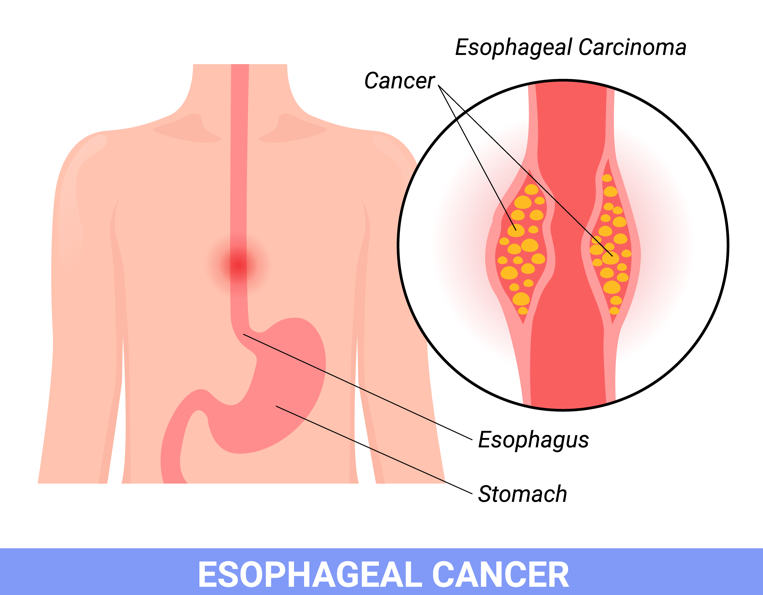
Esophageal cancer surgery is a treatment that removes cancer from the esophagus, the tube that carries food from your mouth to your stomach. Doctors often use this surgery when cancer is found early or has not spread far. According to the World Health Organization (WHO), surgery is a common treatment for esophageal cancer. For many patients, it offers the best chance for a cure.
Indications for Surgery
Doctors may recommend esophageal cancer surgery for several reasons. Usually, surgery is suggested when:
Sometimes, doctors use surgery along with other treatments to improve results.
Types of Esophageal Cancer Surgeries
There are different types of esophageal cancer surgery. The choice depends on the cancer’s location and stage. Common types include:
Sometimes, doctors also remove nearby lymph nodes to check for cancer spread.
Preparation for Surgery
Before esophageal cancer surgery, your healthcare team will help you get ready. For example, you may need tests like blood work, scans, or heart checks. In addition, your doctor may ask you to stop certain medicines. You might also meet with a dietitian to plan for eating changes after surgery. It is important to follow all instructions closely for the best outcome.
The Surgical Procedure: What to Expect
On the day of surgery, you will receive anesthesia to keep you asleep and pain-free. During the operation, the surgeon removes the cancer and some healthy tissue. If needed, they may also remove part of the stomach or nearby lymph nodes. Afterward, the surgeon reconnects the remaining parts so you can swallow. Most surgeries last several hours. You will wake up in a recovery area, where nurses will monitor you closely.
Recovery Process and Timeline
Recovery after esophageal cancer surgery takes time. Usually, you stay in the hospital for 7 to 14 days. At first, you may not be able to eat or drink by mouth. Instead, you might get nutrition through a tube. Gradually, you will start with liquids and soft foods. Full recovery can take several weeks to months. However, everyone heals at their own pace. Regular follow-up visits help track your progress and spot any problems early.
Common Risks and Complications
Like all major surgeries, esophageal cancer surgery has risks. Some possible complications include:
Although these risks exist, your medical team will take steps to prevent and manage them.
Tips for Smoother Recovery and Lifestyle Guidance
Recovering from esophageal cancer surgery can be challenging. Still, there are ways to make it easier:
Over time, you may need to adjust your eating habits. For example, some people find it easier to eat soft foods or avoid spicy dishes. With patience and support, most people return to daily activities.
Prevention and Follow-Up Care
After surgery, regular follow-up care is important. Your doctor will schedule check-ups and scans to watch for any signs of cancer returning. To lower your risk, you can:
Early detection and healthy habits can help prevent future problems.
Conclusion
Esophageal cancer surgery is a key treatment for many patients. While recovery takes time, most people improve with the right care and support. For more details about esophageal cancer surgery recovery and what to expect after esophageal cancer surgery, consult a specialist Dr. Madhukar for personalized guidance on esophageal cancer surgery and recovery.