What Is Esophageal Cancer Surgery?
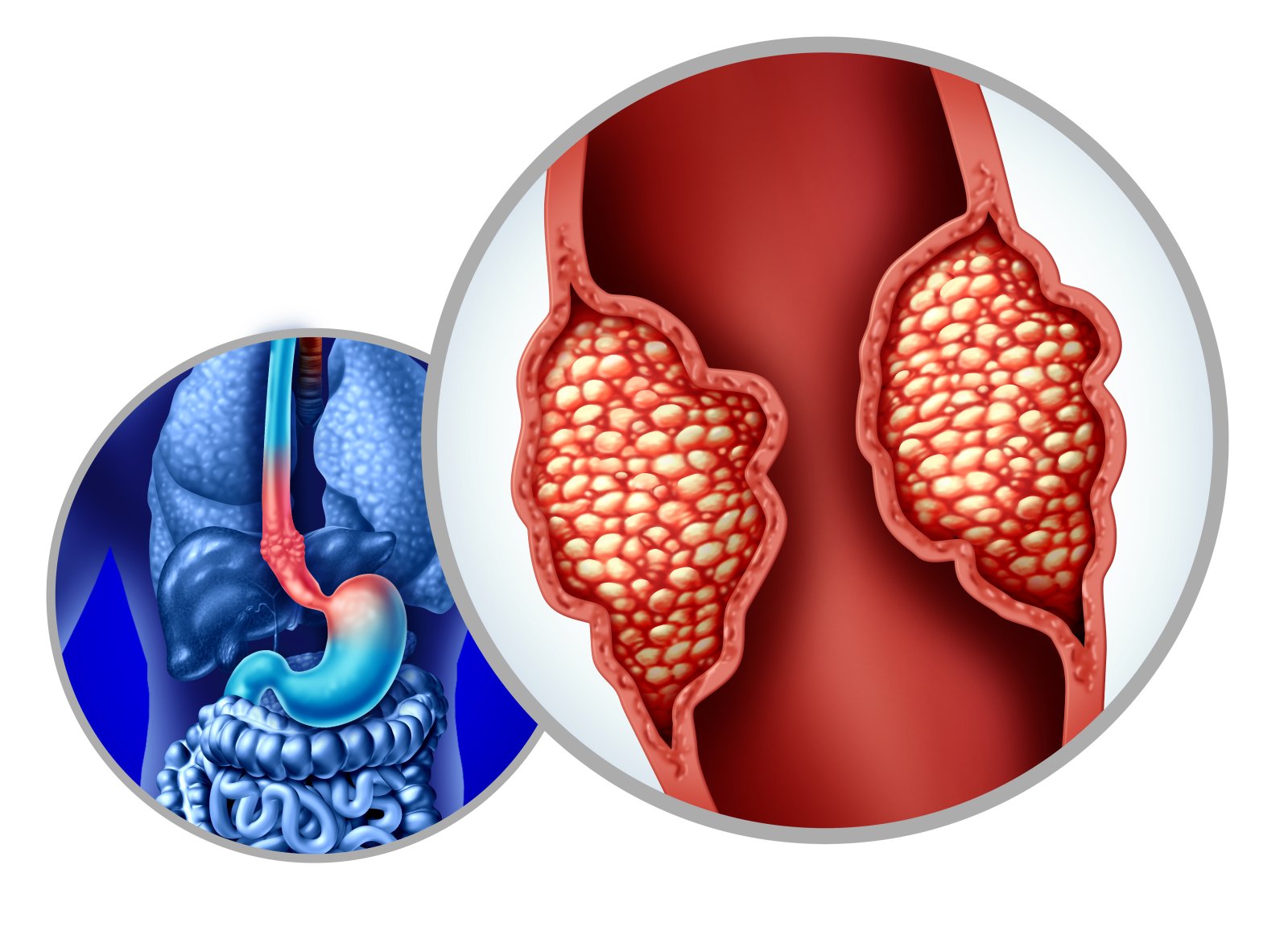
Esophageal cancer surgery is a treatment used to remove cancer from the esophagus. The esophagus is the tube that carries food from your mouth to your stomach. Doctors often use surgery to treat esophageal cancer, especially when the cancer is found early. This surgery aims to remove the tumor and help you live longer. For many, it is a key part of the treatment for esophageal cancer.
When Is Surgery Recommended?
Doctors may suggest surgery if the cancer is only in the esophagus or nearby areas. Sometimes, surgery is used after other treatments, like chemotherapy or radiation. In other cases, it is the first step. However, not everyone is a candidate for surgery. Your doctor will check your health and the stage of your cancer before making a decision.
Types of Esophageal Cancer Surgery
There are several types of esophageal cancer surgery. Each type depends on the size and location of the tumor. Here are the main options:
Your doctor will explain which type is best for you. Each option has its own risks and benefits.
Preparing for Surgery
Before surgery, your care team will help you get ready. First, you may need tests like blood work, scans, or heart checks. These help doctors plan your treatment. Next, you might meet with a dietitian to talk about nutrition. Some people need to stop certain medicines before surgery. Your doctor will give you clear instructions. It is important to follow these steps to lower your risk of problems.
What to Expect During Surgery
On the day of surgery, you will go to the hospital. You will get medicine to help you sleep during the operation. The surgeon will remove the cancer and some healthy tissue around it. Sometimes, nearby lymph nodes are also taken out. The surgery can take several hours. Afterward, you will wake up in a recovery area where nurses will watch you closely.
Recovery After Esophageal Cancer Surgery
Recovery after esophageal cancer surgery takes time. At first, you may stay in the hospital for a week or more. During this time, doctors will check your healing and help manage pain. You may not be able to eat or drink right away. Instead, you might get nutrition through a tube. Gradually, you will start with liquids and then soft foods. At home, you will need to rest and follow your care team’s advice. Emotional support is also important, so talk to loved ones or a counselor if you need help.
Tips for a Smoother Recovery
With time, most people feel stronger and more comfortable eating.
Preventing Complications
After surgery, it is important to watch for problems. For example, infections, bleeding, or trouble swallowing can happen. To lower your risk:
Early action can help prevent serious issues.
When to Seek Medical Help
Sometimes, problems can arise after esophageal cancer surgery. Contact your doctor right away if you notice:
Quick action can help you recover safely.
Conclusion and Next Steps
Esophageal cancer surgery is a major step in treatment. With the right care, many people recover well. However, each person’s journey is unique. For the best results, follow your care team’s advice and ask questions when unsure. If you are considering esophageal cancer surgery or want to know more about recovery, consult Dr. Madhukar, a specialist for personalized guidance on esophageal cancer surgery and recovery.