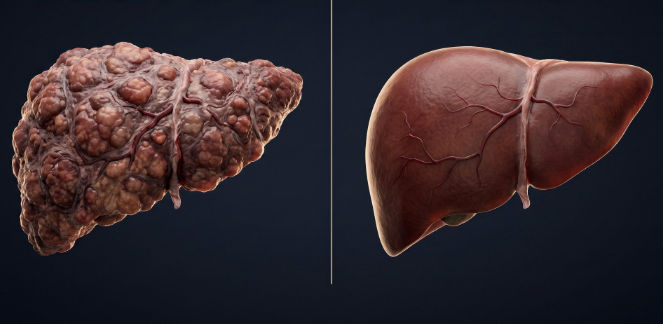
Many people wonder about the difference between fatty liver and liver cancer. Fatty Liver vs Liver Cancer is a common topic because both affect the liver, but they are very different. Knowing the signs, causes, and treatments can help you stay healthy. This guide will explain the main differences, symptoms, and treatment options for these liver diseases. We will also cover how to prevent them and what to watch for.
What Is Fatty Liver?
Fatty liver is a condition where extra fat builds up in the liver. This is also called hepatic steatosis. Most often, it does not cause harm at first. However, over time, it can lead to liver damage. In the United States, fatty liver is very common, especially among adults.
According to the CDC, NAFLD affects about 1 in 4 adults worldwide. Early stages may not cause symptoms, but the liver can become inflamed or scarred if not managed.
What Is Liver Cancer?
Liver cancer means that abnormal cells grow in the liver. These cells form a lump or tumor. Most liver cancers start in the liver itself, called primary liver cancer. The most common type is hepatocellular carcinoma.
Worldwide, liver cancer is a leading cause of cancer deaths, says the World Health Organization (WHO). Early detection is important for better outcomes.
Key Differences Between Fatty Liver and Liver Cancer
Although both affect the liver, fatty liver and liver cancer are not the same. Here are the main differences:
Understanding these differences helps you know what to look for and when to seek help.
Symptoms: How to Recognize Each Condition
Both fatty liver and liver cancer can be silent at first. Yet, as the disease gets worse, symptoms may appear. Knowing the signs can help you get care early.
Because symptoms can be mild or vague, regular check-ups are important, especially if you have risk factors.
Causes and Risk Factors
Several things can increase your risk for fatty liver or liver cancer. However, the causes are not always the same.
For example, having fatty liver or cirrhosis can increase your risk of liver cancer. But not everyone with fatty liver will develop cancer.
Diagnosis: Tests and Procedures
Doctors use several tests to find out if you have fatty liver or liver cancer. Early diagnosis can make treatment easier.
After these tests, your doctor can tell you which condition you have and how to treat it.
Treatment Options for Fatty Liver
Most people with fatty liver can improve their liver health with simple changes. In many cases, medicine is not needed. Instead, doctors recommend:
Sometimes, doctors may suggest medicine if you have severe liver inflammation. However, lifestyle changes are the main treatment.
Treatment Options for Liver Cancer
Liver cancer treatment depends on the stage of the disease and your overall health. Unlike fatty liver, liver cancer often needs more advanced care. Common treatments include:
Doctors may use one or more treatments together. Early detection gives the best chance for successful treatment, according to the American Cancer Society.
Prevention and Lifestyle Guidance
While you cannot prevent all liver diseases, you can lower your risk. Simple steps can protect your liver health.
By making healthy choices, you can help prevent fatty liver and lower your risk of liver cancer.
Conclusion
If you have concerns about your liver health, do not wait. Schedule a consultation with Dr. Madhukar to discuss your symptoms and get the right advice for your needs.