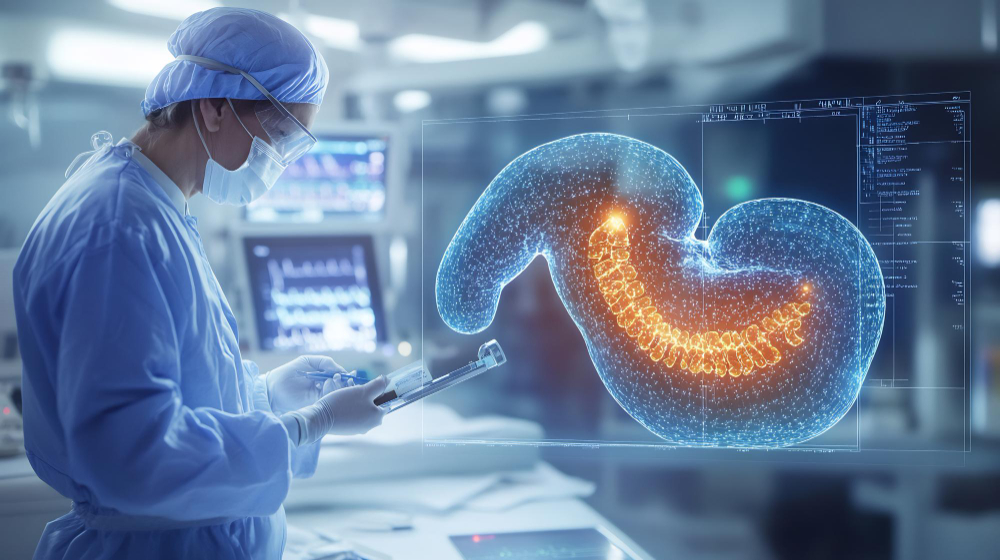
What Is Gastric Cancer?
Gastric cancer, also called stomach cancer, starts in the lining of the stomach. This disease can grow slowly or quickly. Often, it does not cause symptoms early on. However, as it grows, it may cause pain, weight loss, or trouble eating. According to the World Health Organization (WHO), gastric cancer is a leading cause of cancer deaths worldwide. Because of this, early detection is very important.
When Is Surgery the Only Curative Option?
For many people, surgery is the only way to cure gastric cancer. While there are other treatment options for gastric cancer, such as chemotherapy or radiation, these often cannot remove all the cancer. Therefore, curative surgery for stomach cancer is needed when the tumor is still in the stomach or nearby lymph nodes. If the cancer has not spread to distant organs, surgery may offer the best chance for a cure. In advanced cases, doctors may use surgery to relieve symptoms, but it may not cure the disease.
Types of Gastric Cancer Surgery
Doctors choose the type of surgery based on the cancer’s size and location. Here are the main types:
Each type has its own risks and benefits. Your doctor will explain which is best for you.
How Doctors Decide on Surgery
Doctors use several steps to decide if surgery is the right choice. First, they check the stage of the cancer. Next, they look at your overall health. Then, they may order tests such as CT scans or endoscopy. If the cancer is only in the stomach or nearby, surgery may be possible. However, if the cancer has spread far, surgery may not help. In some cases, doctors may use other treatments before or after surgery to improve results.
What to Expect Before, During, and After Surgery
Before surgery, your doctor will explain the plan. You may need blood tests or scans. Sometimes, you will meet with a dietitian. During surgery, you will receive anesthesia, so you will not feel pain. The length of surgery depends on the type. After surgery, you will stay in the hospital for a few days. Nurses will help you manage pain and start moving. You may need to eat small, soft meals at first. Recovery takes time, but most people feel better each week.
Risks and Benefits of Gastric Cancer Surgery
Like all major surgeries, gastric cancer surgery has risks. However, it also offers hope for a cure. Here are some common risks and benefits:
Your doctor will discuss these with you before surgery.
Recovery and Lifestyle Tips
After surgery, your body needs time to heal. Therefore, follow your doctor’s advice closely. Here are some helpful tips:
With time, many people adjust well to life after surgery.
Prevention and Early Detection
Although not all cases can be prevented, you can lower your risk. For example, eat a healthy diet with fruits and vegetables. Avoid smoking and limit alcohol. If you have a family history of gastric cancer, tell your doctor. Early detection saves lives. So, if you have ongoing stomach pain, weight loss, or trouble eating, see a doctor soon. Regular check-ups can help find problems early, when treatment works best.
For more information, visit trusted sources like the World Health Organization (WHO) or the Centers for Disease Control and Prevention (CDC).
Consult a specialist Dr. Madhukar for personalized guidance on gastric cancer surgery.