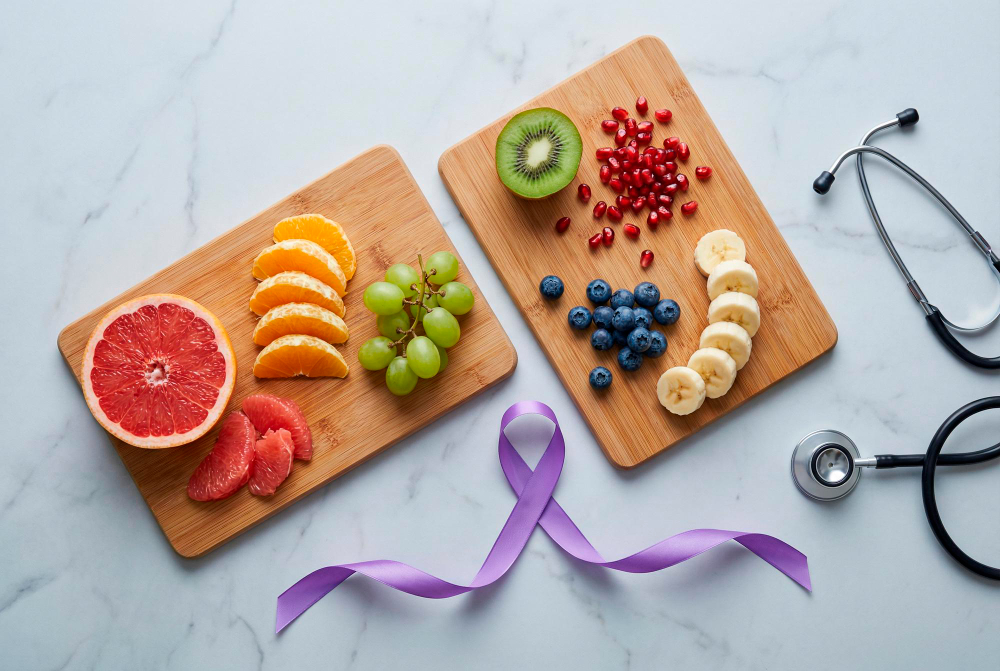
Cancer treatment can be tough on your body. However, good nutrition during cancer treatment can help you feel stronger and recover faster. Eating well supports your immune system, helps manage side effects, and keeps your energy up. In this guide, you will learn why nutrition matters, which foods to choose, and how to manage common eating problems. Whether you are looking for healthy eating during chemotherapy or the best foods for cancer patients, this guide is for you.
Why Nutrition Matters During Cancer Treatment
During cancer treatment, your body needs extra care. For example, treatments like chemotherapy or radiation can cause side effects that make eating hard. Yet, eating the right foods can help you:
In addition, good nutrition can help you handle treatment side effects better. According to the World Health Organization (WHO), balanced meals are key for cancer patients.
Common Nutrition Challenges for Cancer Patients
Many people face eating problems during cancer treatment. For instance, you might notice:
Because of these issues, it can be hard to get enough nutrients. Still, there are ways to manage these problems and keep eating well.
Essential Nutrients and Foods to Include
Eating a variety of foods gives your body the nutrients it needs. For example, try to include:
Moreover, small, frequent meals can make eating easier if you have a poor appetite.
Foods to Limit or Avoid
Some foods can make side effects worse or raise your risk of infection. Therefore, you should limit or avoid:
Also, always wash fruits and vegetables well before eating.
Practical Tips for Eating Well During Treatment
Eating well during treatment can be challenging. Still, these tips may help you manage:
Furthermore, listen to your body and eat what feels best for you.
When to Seek Professional Nutrition Advice
Sometimes, you may need extra help. For example, talk to a dietitian or your doctor if you:
Additionally, a nutrition expert can create a plan just for you. They can help you manage appetite loss in cancer and other eating challenges.
Frequently Asked Questions
In summary, good nutrition can make a big difference during cancer treatment. Eating well helps your body heal and gives you strength. Consult Dr. Madhukar for personalized guidance.