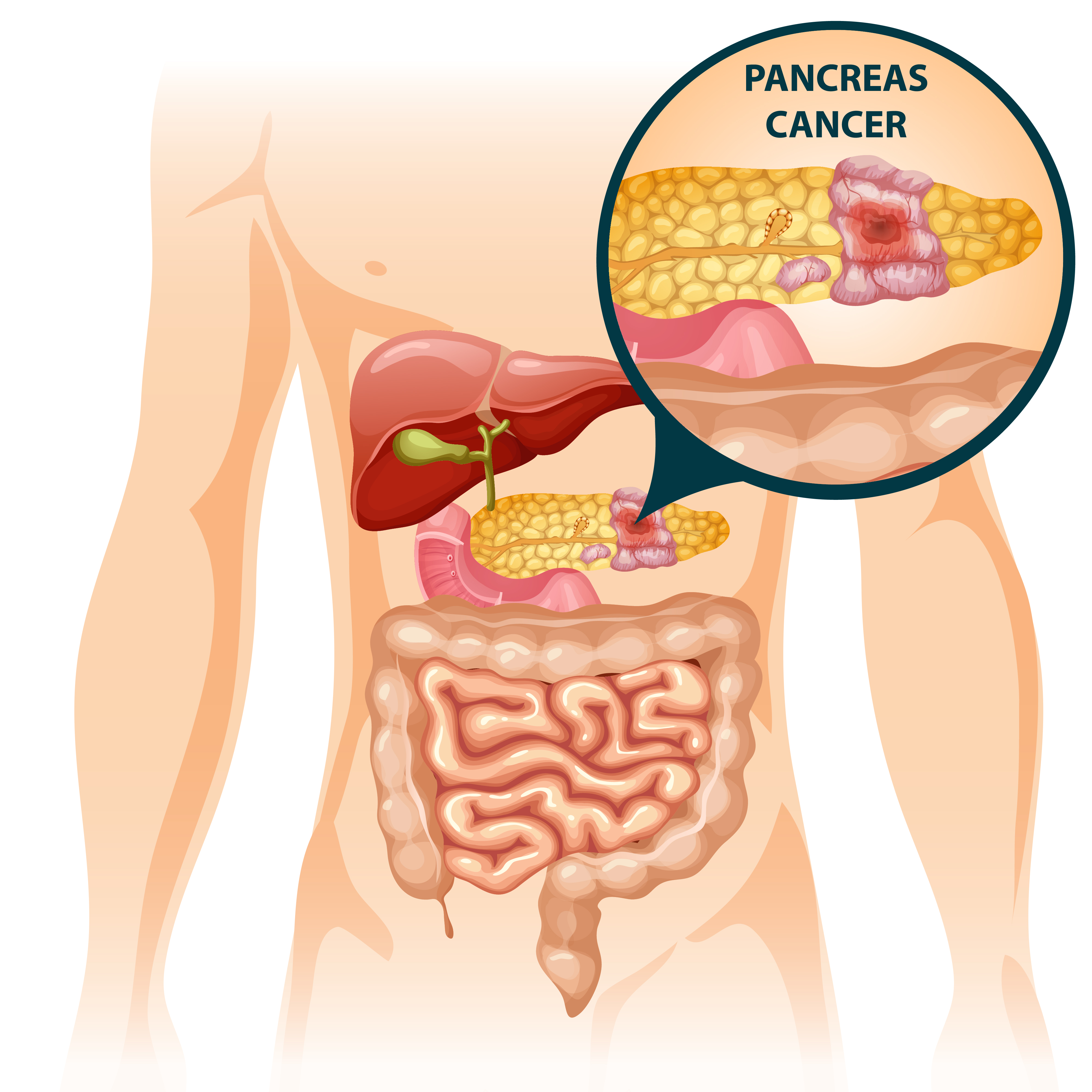
What Is Pancreatic Cancer?
Pancreatic cancer starts in the pancreas, a small organ behind your stomach. The pancreas helps your body digest food and control blood sugar. When cells in the pancreas grow out of control, they form a tumor. This tumor can spread to other parts of the body. Pancreatic cancer is often found late, which makes it harder to treat. Because of this, knowing the risk factors of pancreatic cancer is very important.
Why Understanding Risk Factors Matters
Knowing your risk factors can help you make healthy choices. For example, you may be able to lower your risk by changing some habits. Also, if you know you are at higher risk, you can talk to your doctor sooner. Early action can sometimes help with early detection. In some regions, like North America and Europe, pancreatic cancer rates are higher. This may be due to lifestyle or genetic factors.
Major Risk Factors of Pancreatic Cancer
Many things can raise your risk of pancreatic cancer. Some you can change, while others you cannot. Below are the main risk factors:
Reducing Your Risk: Practical Tips
While you cannot change your age or family history, you can lower other risks. Here are some steps you can take:
By making these changes, you may reduce your risk of pancreatic cancer. Even small steps can make a difference over time.
When to Seek Medical Advice
If you have several risk factors, talk to your doctor. For example, if you have a family history or new symptoms like jaundice, weight loss, or belly pain, seek help. Early advice can lead to early tests and better outcomes. Remember, only a healthcare professional can give you advice for your personal situation.
In summary, understanding the risk factors of pancreatic cancer can help you make informed choices. If you are concerned about your risk, consult Dr Madhukar for personalized advice.