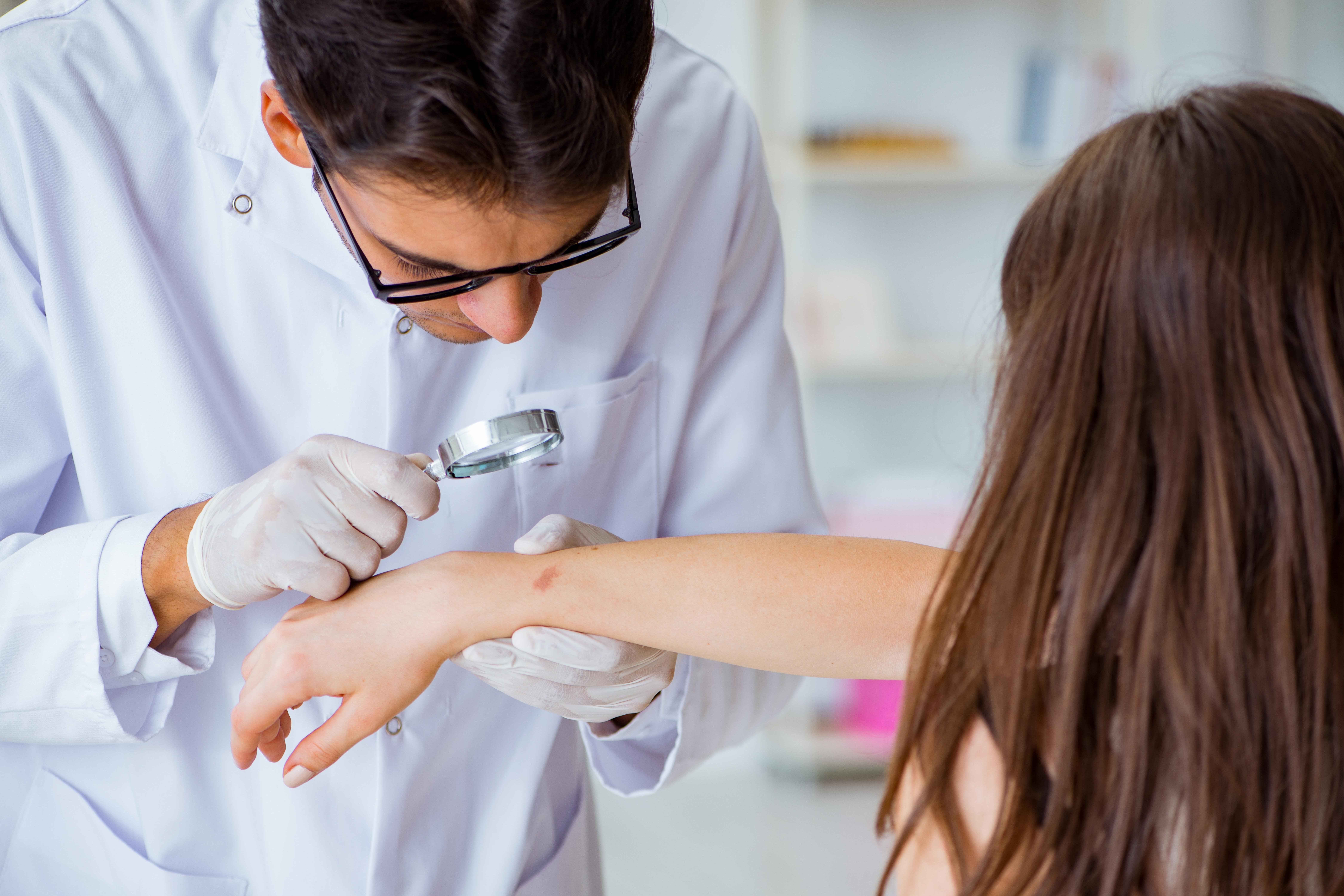
What is Skin Cancer?
Skin cancer is a disease where skin cells grow out of control. It is one of the most common cancers in the United States. Anyone can get skin cancer, but some people are at higher risk. For example, people with fair skin, a history of sunburns, or a family history of skin cancer face greater risk. Early detection is key. When found early, skin cancer is easier to treat. That is why checking moles for changes is so important.
Why Checking Moles Matters
Checking your moles can help you spot skin cancer early. Most moles are harmless. However, some can change and become cancerous. For instance, melanoma is a serious type of skin cancer that often starts as a changing mole. Because early treatment saves lives, regular mole checks are vital. According to the CDC, early detection greatly improves survival rates. So, make mole checks a part of your routine.
How to Check Your Moles: Step-by-Step Guide
Checking your skin is simple and can be done at home. Follow these easy steps to check your moles:
By checking your skin once a month, you can catch changes early. This simple habit can make a big difference.
Warning Signs: What Changes to Look For
Not all changes mean cancer, but some signs need attention. Watch for the ABCDEs of melanoma. These are:
Additionally, look for new moles or sores that do not heal. If a mole itches, bleeds, or feels painful, take note. Because these signs can point to skin cancer, do not ignore them.
When to See a Doctor
If you notice any warning signs, schedule a visit with a healthcare provider. Even if you are unsure, it is better to be safe. Early action can prevent serious problems. Doctors can check your skin and may do a biopsy if needed. This means they take a small sample to test for cancer. Remember, only a doctor can diagnose skin cancer. So, trust your instincts and seek help if something looks or feels different.
Prevention Tips for Skin Cancer
While not all skin cancer can be prevented, you can lower your risk. Try these tips:
Because sun exposure is a major risk factor, these steps can help protect your skin. According to the World Health Organization, most skin cancers are linked to UV exposure. So, simple changes can make a big difference.
Conclusion
In summary, checking moles for changes is a simple but powerful way to spot skin cancer early. If you notice any changes in your moles, consult a healthcare specialist for personalized advice. Early detection saves lives, so make skin checks a regular habit. Noticed changes in your moles or skin? Don’t ignore the signs.
Get expert skin evaluation with Dr. Madhukar.
Book your consultation today for early detection and peace of mind.